Baking & Desserts Classic Vanilla Butter Cake
Highlighted under: Sweet Inspirations
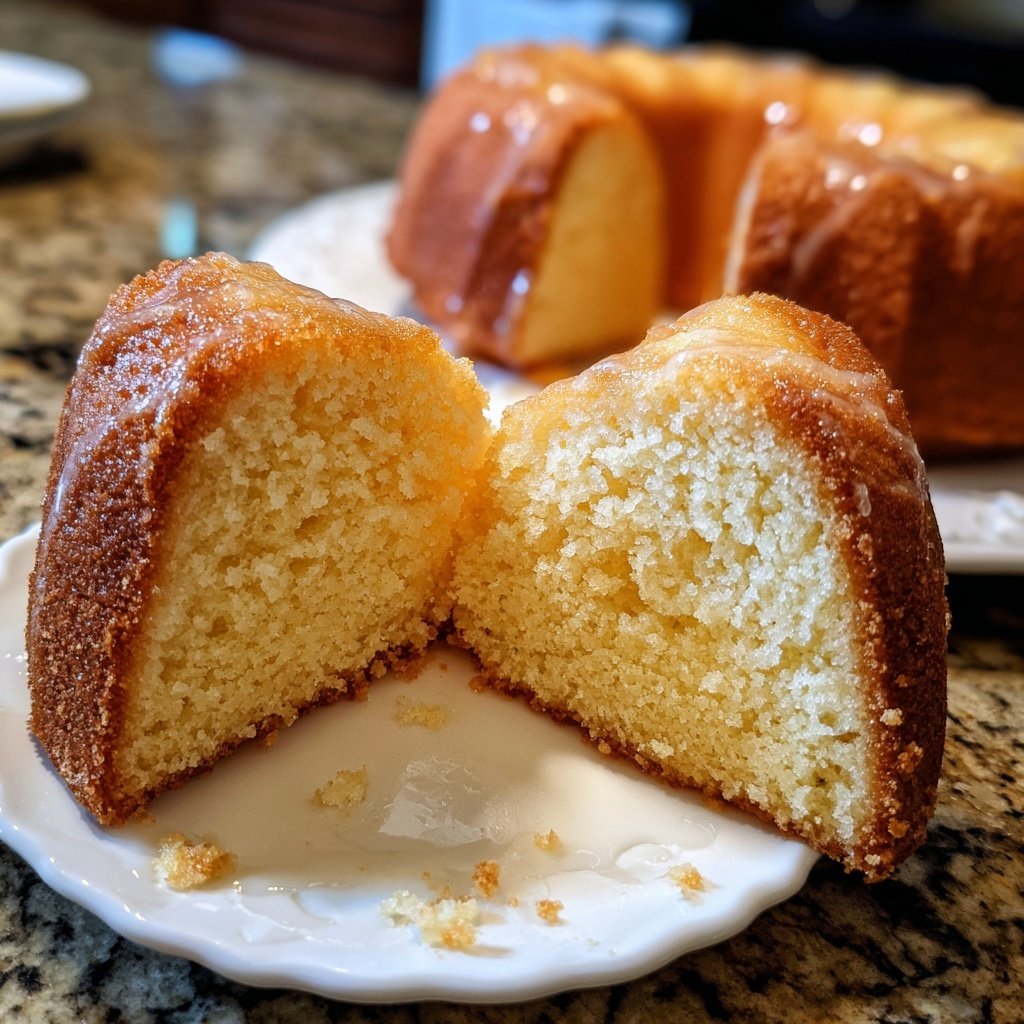
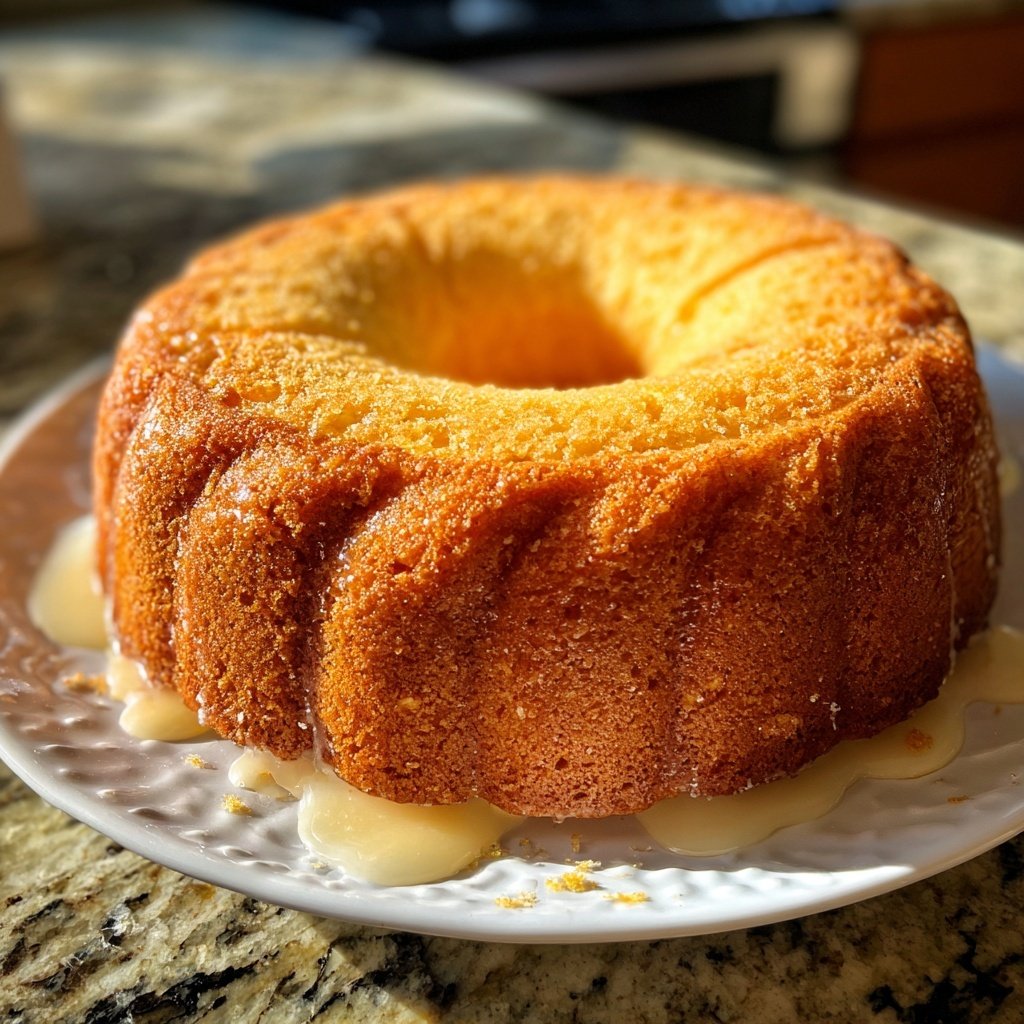
I absolutely love making this Classic Vanilla Butter Cake; it's the epitome of comfort baking. The aroma of vanilla fills my kitchen, creating a warm, inviting ambiance that instantly lifts my spirits. When I first successfully baked this cake, the soft, buttery texture and simple, sweet flavor captured my heart. It's perfect for any occasion, whether it's a family gathering or just a weekday treat, and it pairs beautifully with fresh fruit or a dollop of whipped cream. Trust me, once you try it, you’ll find it hard to resist another slice!
When I first attempted this Classic Vanilla Butter Cake, I was overwhelmed by its simplicity yet rewarding outcome. The key to its exquisite texture lies in creaming the butter and sugar until fluffy; it creates air pockets that make the cake rise beautifully. I also discovered that using room temperature eggs and butter is crucial for achieving a uniform batter and that little details, like sifting the flour, can significantly enhance the cake's lightness.
Throughout my baking journey, I’ve learned that patience is vital. Allow the cake to cool completely before frosting; this prevents the icing from melting and ensures a beautifully finished dessert. Each slice of this cake just melts in your mouth, making it a beloved staple for everyone who tries it. Trust me, this recipe will be a go-to!
Why You'll Love This Recipe
- Rich buttery flavor that melts in your mouth
- So easy to make, yet it looks incredibly impressive
- Perfectly versatile for any occasion, from birthdays to afternoon tea
Key Techniques for a Perfect Cake
When making this Classic Vanilla Butter Cake, the creaming method is crucial for achieving a light texture. It's important to beat the softened butter and sugar until they are light and fluffy, which usually takes around five minutes. This aeration process not only adds volume to the cake but also results in a tender crumb. Use a stand mixer if you have one; it will make the process easier, and you can focus on other prep work in the meantime.
Make sure to incorporate the eggs one at a time after the butter and sugar. This allows for better emulsification, which is essential for evenly distributing fat and moisture throughout the batter. If you add the eggs all at once, you may end up with a dense cake due to poor mixing. Also, when adding the dry ingredients and milk, be careful not to overmix; stop as soon as just combined to prevent a tough texture.
Understanding Ingredients
Each ingredient in this recipe plays a pivotal role. The butter not only adds richness but also provides moisture and flavor. Choose unsalted butter for better control over the sweetness. Fluffy, airy cakes need a balance: using too much sugar could lead to a gummy texture. The combination of all-purpose flour and baking powder is perfect for a lift without being too dense, but if you want to substitute, you could use cake flour for a softer texture, reducing the flour amount slightly.
Vanilla extract is what elevates the flavor of this cake. It’s often tempting to skimp on it, but quality matters here—a good quality vanilla can profoundly transform the cake's taste. If you’re out of vanilla, you could substitute with almond extract for a different yet delightful flavor twist. Just remember to use less since almond extract is more potent.
Ingredients
Ingredients for Classic Vanilla Butter Cake
Cake Ingredients
- 2 cups all-purpose flour
- 1 ½ cups granulated sugar
- ½ cup unsalted butter, softened
- 1 cup milk
- 3 large eggs
- 2 teaspoons baking powder
- 1 teaspoon vanilla extract
- ½ teaspoon salt
Frosting Ingredients
- 1 cup unsalted butter, softened
- 4 cups powdered sugar
- 2 teaspoons vanilla extract
- 2-3 tablespoons milk
Instructions
Instructions
Prepare the Oven and Pans
Preheat your oven to 350°F (175°C) and grease two 9-inch round cake pans. You can also line the bottom with parchment paper for easier removal.
Mix the Dry Ingredients
In a bowl, sift together the flour, baking powder, and salt. Set aside.
Cream Butter and Sugar
In a large mixing bowl, beat the softened butter and granulated sugar together until light and fluffy, about 5 minutes.
Add Eggs and Vanilla
Add the eggs, one at a time, mixing well after each addition, followed by the vanilla extract.
Combine Mixtures
Gradually add the dry ingredients to the butter mixture, alternating with the milk, starting and ending with the flour mixture. Mix until just combined.
Bake the Cake
Pour the batter evenly into the prepared pans. Bake for 30-35 minutes or until a toothpick comes out clean when inserted in the center.
Cool and Frost
Allow the cakes to cool in the pan for 10 minutes, then turn them out onto wire racks to cool completely before frosting.
Make the Frosting
In a bowl, beat the softened butter until creamy, then gradually add powdered sugar, and mix until smooth. Add vanilla and milk to reach desired consistency.
Decorate the Cake
Once the cakes are completely cooled, spread frosting evenly between the layers and around the sides and top of the cake.
Pro Tips
- For a richer flavor, you can add a touch of almond extract in place of half of the vanilla. Always make sure to sift your flour for a lighter cake texture.
Storage and Make-Ahead Tips
This Vanilla Butter Cake stores quite well, making it an ideal candidate for make-ahead baking. Once cooled completely, wrap each layer tightly in plastic wrap and store in an airtight container. It can last up to three days at room temperature or a week in the fridge. For longer storage, freeze the un-frosted layers; they're best used within three months. Just let them thaw in the refrigerator overnight before frosting and serving.
When you're ready to serve, consider adding a twist to the cake with seasonal fruits. Fresh berries, mango, or even poached pears can add a refreshing contrast to the rich butter flavors. You can also add a drizzle of fruit puree or a sprinkle of lemon zest to brighten things up if desired.
Troubleshooting Common Issues
If your cake raises well but sinks in the middle while baking, it could be due to two common problems: overmixing or excessive oven heat. Ensure you're mixing just until combined and check your oven temperature with a thermometer; an oven that runs hot can lead to undercooked centers. Ideally, cakes should bake in an oven that’s preheated correctly, maintaining a steady temperature throughout the baking process.
In case your frosting is too thin, which can happen if too much milk is added, you can address this by adding a bit more powdered sugar to thicken it back up. If your frosting is too thick, a teaspoon of milk at a time will help reach the desired spreadable consistency. Always mix well after each addition to gauge the texture before adding more.
Questions About Recipes
→ Can I use margarine instead of butter?
While margarine can be used, using real butter will yield a richer flavor and texture.
→ Can I make this cake ahead of time?
Yes! The cake can be baked a day in advance; just store it in an airtight container until you are ready to frost and serve.
→ How should I store leftover cake?
Store any leftovers in an airtight container at room temperature for up to 3 days, or in the fridge for a week.
→ Can I freeze this cake?
Yes, this cake freezes well. Wrap it tightly in plastic wrap and aluminum foil before freezing. Thaw in the refrigerator when ready to serve.
Baking & Desserts Classic Vanilla Butter Cake
Created by: Brielle Thompson
Recipe Type: Sweet Inspirations
Skill Level: Beginner
Final Quantity: 8 servings
What You'll Need
Cake Ingredients
- 2 cups all-purpose flour
- 1 ½ cups granulated sugar
- ½ cup unsalted butter, softened
- 1 cup milk
- 3 large eggs
- 2 teaspoons baking powder
- 1 teaspoon vanilla extract
- ½ teaspoon salt
Frosting Ingredients
- 1 cup unsalted butter, softened
- 4 cups powdered sugar
- 2 teaspoons vanilla extract
- 2-3 tablespoons milk
How-To Steps
Preheat your oven to 350°F (175°C) and grease two 9-inch round cake pans. You can also line the bottom with parchment paper for easier removal.
In a bowl, sift together the flour, baking powder, and salt. Set aside.
In a large mixing bowl, beat the softened butter and granulated sugar together until light and fluffy, about 5 minutes.
Add the eggs, one at a time, mixing well after each addition, followed by the vanilla extract.
Gradually add the dry ingredients to the butter mixture, alternating with the milk, starting and ending with the flour mixture. Mix until just combined.
Pour the batter evenly into the prepared pans. Bake for 30-35 minutes or until a toothpick comes out clean when inserted in the center.
Allow the cakes to cool in the pan for 10 minutes, then turn them out onto wire racks to cool completely before frosting.
In a bowl, beat the softened butter until creamy, then gradually add powdered sugar, and mix until smooth. Add vanilla and milk to reach desired consistency.
Once the cakes are completely cooled, spread frosting evenly between the layers and around the sides and top of the cake.
Extra Tips
- For a richer flavor, you can add a touch of almond extract in place of half of the vanilla. Always make sure to sift your flour for a lighter cake texture.
Nutritional Breakdown (Per Serving)
- Calories: 350 kcal
- Total Fat: 21g
- Saturated Fat: 12g
- Cholesterol: 90mg
- Sodium: 150mg
- Total Carbohydrates: 40g
- Dietary Fiber: 0g
- Sugars: 30g
- Protein: 3g