Chicken Run Ideas Using Recycled Materials
Highlighted under: Family Favorite Dishes
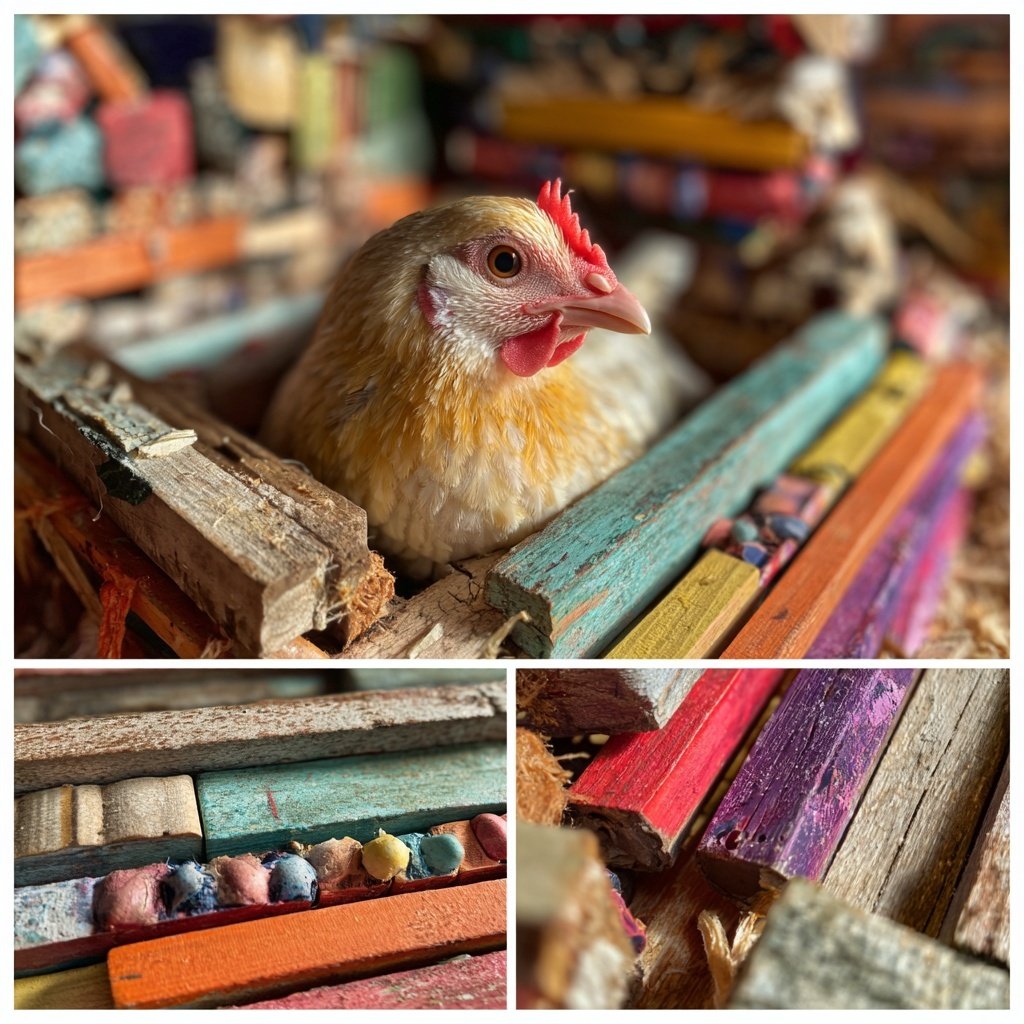
I've always been a fan of sustainable living, and creating a chicken run using recycled materials has been a rewarding project. Not only does it minimize waste, but it also provides a unique space for my chickens to thrive. Each time I see them happily clucking around, I feel a sense of accomplishment. It’s amazing how some old pallets, wire mesh, and leftover wood can be transformed into a safe and stimulating environment for my feathered friends. I can't wait to share these creative ideas with you!
When I embarked on building a chicken run from recycled materials, I never imagined how satisfying the outcome would be. I utilized old wooden pallets and some discarded wire mesh, which transformed my backyard into a vibrant haven for my chickens. My favorite part was the creative process—designing the run to ensure it was not only functional but aesthetically pleasing too!
Through trial and error, I discovered that reinforcing the corners with extra wood not only added stability but also made it visually appealing. I found that a little creativity can turn seemingly useless items into valuable shelter and play areas for my chickens. I highly recommend customizing the layout based on your yard’s dimensions for the best results!
Why You Will Love This Project
- Transform old materials into something useful
- Create a safe haven for your chickens
- Enjoy the satisfaction of DIY sustainability
Understanding the Importance of Structure
A sturdy chicken run is essential to ensure the safety and well-being of your chickens. When designing, consider a layout that allows for ample space. Each chicken requires about 4 square feet in the coop and 10 square feet in the run. Using pallets gives you an excellent starting point for a strong framework, but be diligent about securing all connections. A well-structured run not only protects against predators but also offers a comfortable environment for your chickens to roam.
In choosing your pallets, look for ones that are untreated and safe for use with animals. Untreated wood doesn’t harbor harmful chemicals, making it safer for your chickens. A common mistake is using overly weathered pallets; they may not provide the necessary support. Check for stability and hinge points where necessary, reinforcing any weak areas to ensure your build withstands the wear and tear of daily chicken activity.
Choosing the Right Materials
When constructing your chicken run, selecting the right wire mesh is crucial. A gauge of 14 or 16 is generally strong enough to keep out predators while being easy to work with. Avoid using larger spacing in your mesh, as this might allow smaller animals to get in. If using chicken wire, ensure it’s securely fastened and don't skimp on overlaps at the corners to prevent any gaps.
Don’t overlook the necessity of a roof. A roof, even if made of left-over roofing materials, offers additional protection from hawks and rain. This added layer helps to maintain a dry environment, reducing the risk of disease. If you opt for no roof, ensure that your run is strategically placed in a shaded area to protect your flock from extreme sunlight, which can stress chickens.
Maintaining Your Chicken Run
Regular maintenance of your chicken run is vital to keep your chickens healthy and happy. Spend a few minutes each week inspecting the structure, looking for any loose screws or openings that might have appeared due to wear. Pay special attention to the wire mesh, as sections can wear thin or become detached. Keeping everything secure will give you peace of mind and protect your flock from potential threats.
Additionally, consider the environment within the chicken run. Adding straw or wood shavings to the floor not only creates a comfortable surface for your chickens but also aids in moisture control. Replace bedding regularly—at least once a week—to prevent odor and promote good hygiene. A clean environment will reduce the chances of disease and keep your chickens thriving.
Ingredients
Gather the following materials:
Materials Needed
- Old wooden pallets
- Wire mesh or chicken wire
- Leftover wood planks
- Nails or screws
- Hinges for doors
- Roofing material (optional)
Get creative with whatever you have on hand!
Instructions
Follow these steps to build your recycled chicken run:
Design the Layout
Sketch out how you want your chicken run to be structured, considering the amount of space you have and how many chickens you'll keep.
Prepare the Pallets
Use sandpaper to smooth rough edges on the pallets and ensure safety for your chickens.
Construct the Frame
Assemble the pallets into a rectangular shape, securing the corners with screws for stability.
Attach the Wire Mesh
Wrap the wire mesh around the frame to keep your chickens safe from predators, ensuring it is taut and secured.
Create the Access Door
Cut an opening in one of the pallets and attach a door using hinges for easy access to feed and clean.
Additional Features
Consider adding a roof for shade and protection from rain, using leftover materials.
Now your chickens can enjoy their new home!
Pro Tips
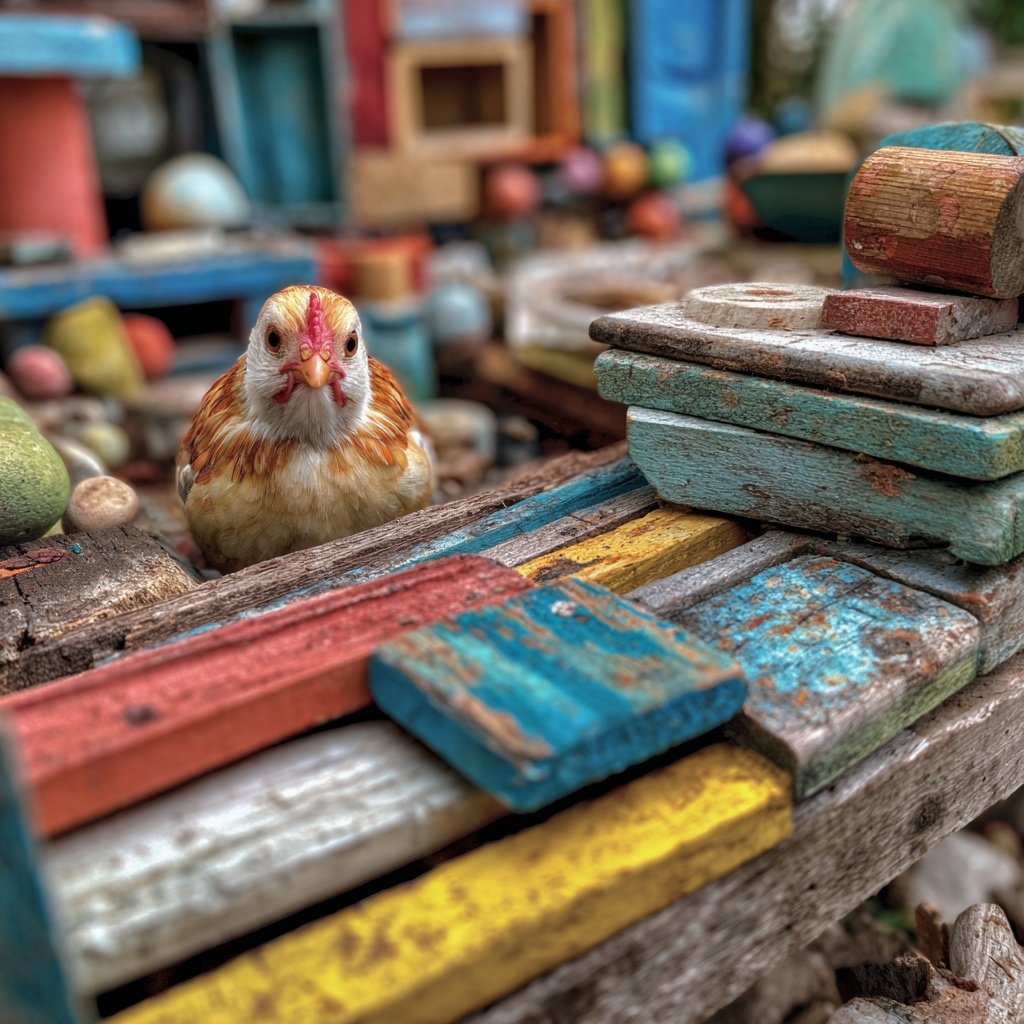
- To keep your chickens comfortable, make sure they have enough space to roam. Rotate the run occasionally to give them fresh ground to explore.
Tips for Customizing Your Chicken Run
Personalizing your chicken run can enhance your experience as a chicken keeper. Consider creating areas for dust bathing, as this activity is essential for your chickens' health. You can set aside a corner filled with sand or loose soil, encouraging natural behavior while allowing them to keep themselves clean from pests. Adding a low perch for them to hop onto can also provide richness to their environment.
Additionally, installing a small waterer or feeder cleverly within the run can help with accessibility, ensuring your chickens always have fresh food and hydration. Opt for styles that are easy to refill from outside the run to minimize disturbance. Position these items strategically to reduce competition among your flock during feeding time.
Scaling Up Your Chicken Run
If you're looking to house more chickens in the future, consider how you can scale your chicken run while using the same recycled materials. Building a larger frame with extra pallets allows room to expand without needing to start from scratch. Ensure that any extensions maintain the same safety standards as your original design, providing consistent protection against predators.
Another way to scale is to create modular sections that can be added or removed as needed. This way, you can adjust based on your flock size or even garden needs. Creating a movable chicken run, sometimes called a chicken tractor, allows your chickens to forage on fresh grass while helping to enrich the soil.
Questions About Recipes
→ How do I ensure my chicken run is safe?
Make sure to use sturdy materials and secure all edges to prevent predators from getting in.
→ What if I don’t have pallets?
You can use other materials like old fences or even large crates as alternatives.
→ How big should my chicken run be?
A general rule is at least 10 square feet per chicken. Adjust based on your available space and number of chickens.
→ Can I build a chicken run in my garden?
Absolutely! Just ensure it has adequate fencing and access to sun and shade for the chickens.
Chicken Run Ideas Using Recycled Materials
Created by: Brielle Thompson
Recipe Type: Family Favorite Dishes
Skill Level: Beginner
Final Quantity: 1 project
What You'll Need
Materials Needed
- Old wooden pallets
- Wire mesh or chicken wire
- Leftover wood planks
- Nails or screws
- Hinges for doors
- Roofing material (optional)
How-To Steps
Sketch out how you want your chicken run to be structured, considering the amount of space you have and how many chickens you'll keep.
Use sandpaper to smooth rough edges on the pallets and ensure safety for your chickens.
Assemble the pallets into a rectangular shape, securing the corners with screws for stability.
Wrap the wire mesh around the frame to keep your chickens safe from predators, ensuring it is taut and secured.
Cut an opening in one of the pallets and attach a door using hinges for easy access to feed and clean.
Consider adding a roof for shade and protection from rain, using leftover materials.
Extra Tips
- To keep your chickens comfortable, make sure they have enough space to roam. Rotate the run occasionally to give them fresh ground to explore.